Example Projects for the Forschungszulage

Here you will find a selection of projects that have been successfully funded through the Forschungszulage. These examples illustrate the breadth of innovation — from AI-based solutions to new manufacturing processes.

Trusted by leading startups and SMEs

Kitekraft
Junto
IH
Shopvibes
Kokoro
Gitpod
Camp3
Voize
Gavel
Berlin Collective
Future Maps
Scaneca
Kitekraft
Junto
IH
Shopvibes
Kokoro
Gitpod
Camp3
Voize
Gavel
Berlin Collective
Future Maps
Scaneca
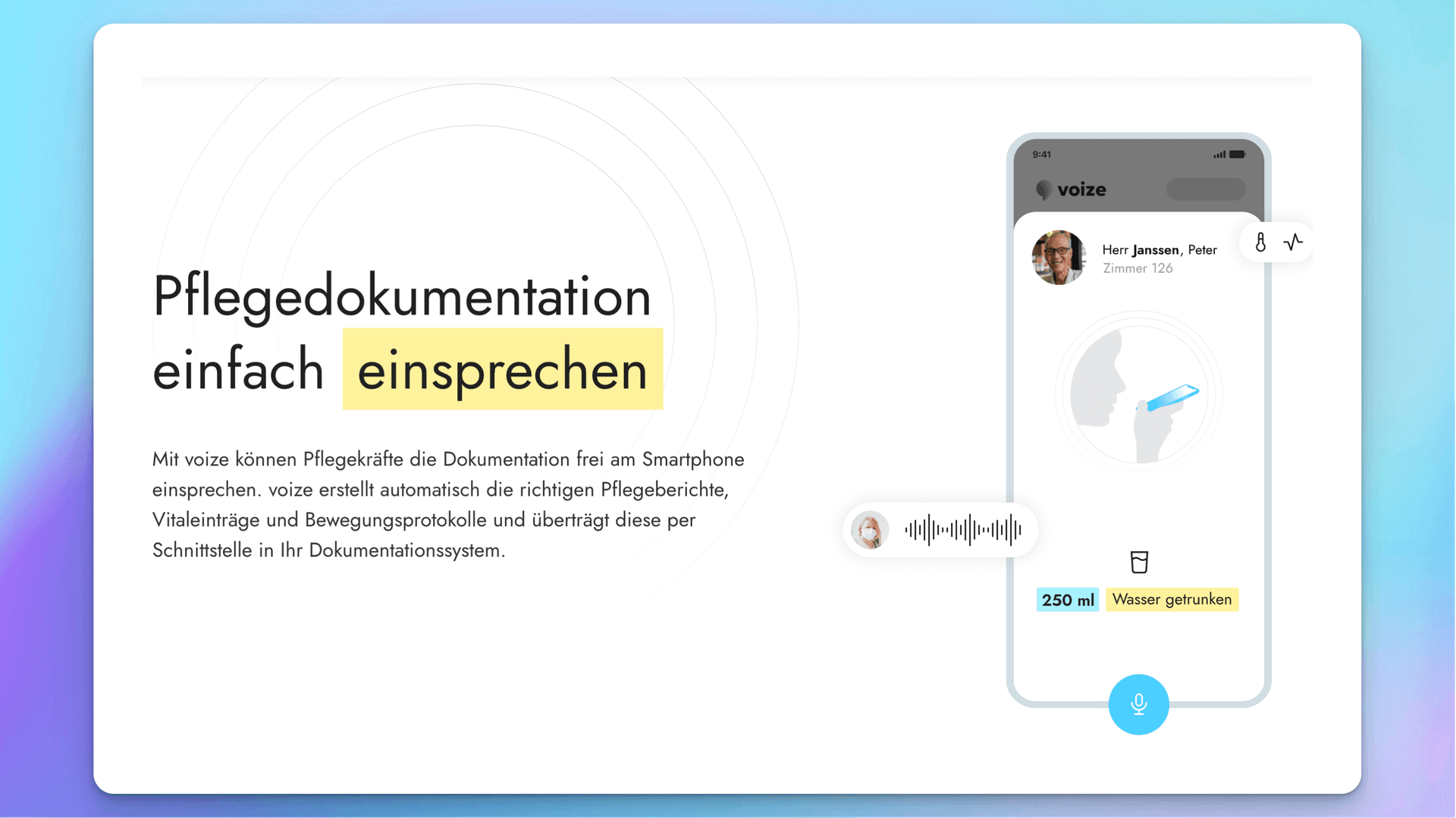
voize Case Study – Forschungszulage for AI in nursing care
€314,825 Forschungszulage

voizeY CombinatorW22

voize develops AI-powered voice documentation for nursing care. The startup secured €314,825 in Forschungszulage for advancing their AI models for automated care documentation.

Case Study lesen
KiteKraft Case Study – Forschungszulage for wind energy
€169,250 Forschungszulage

KiteKraftY CombinatorS19

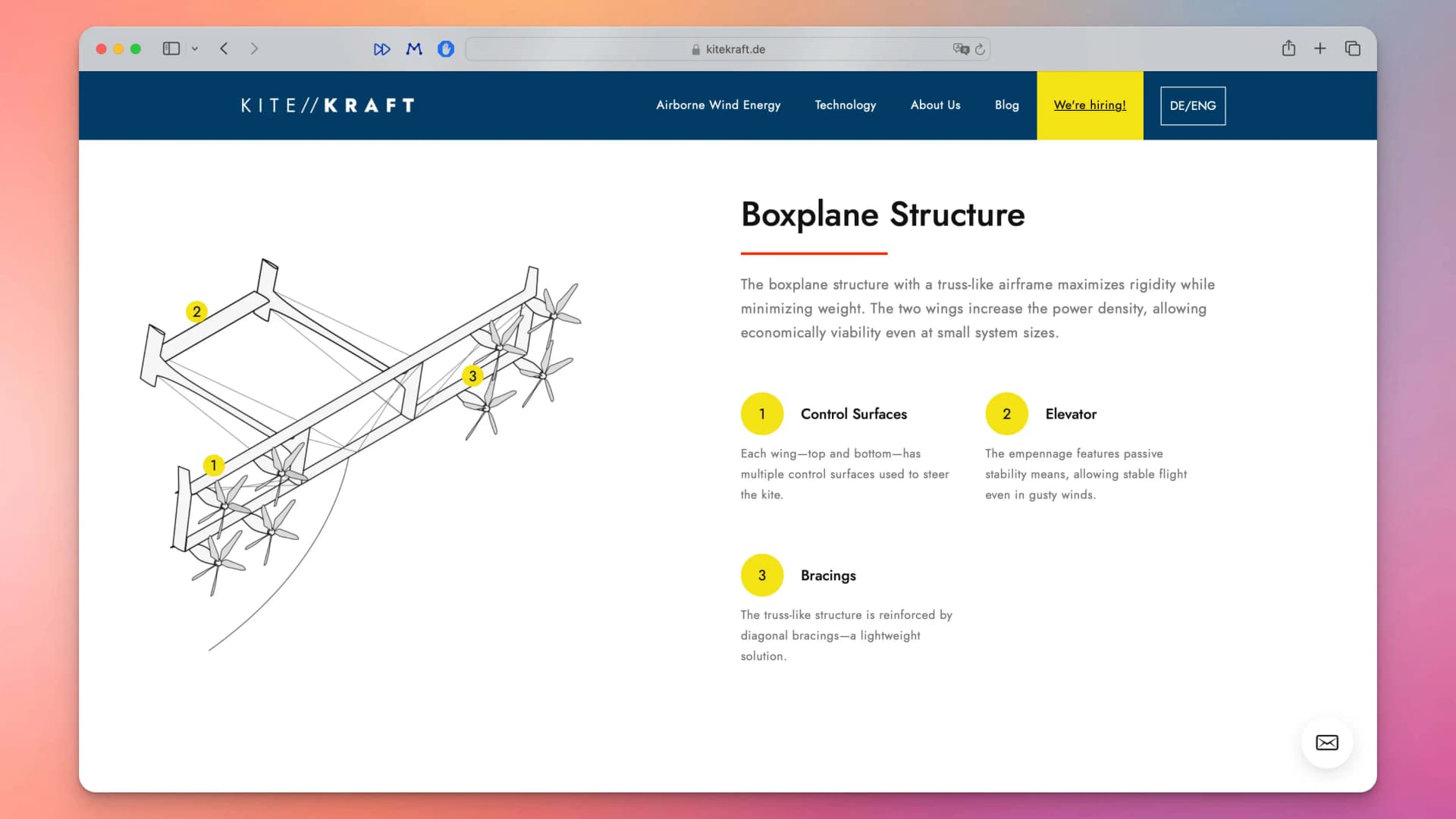
KiteKraft develops flying wind turbines that generate energy at higher altitudes. The combination of lightweight construction and intelligent control secured €169,250 in Forschungszulage.

Case Study lesen
MeetAnyway Case Study – Forschungszulage
€167,440 Forschungszulage

MeetAnywayY CombinatorW21

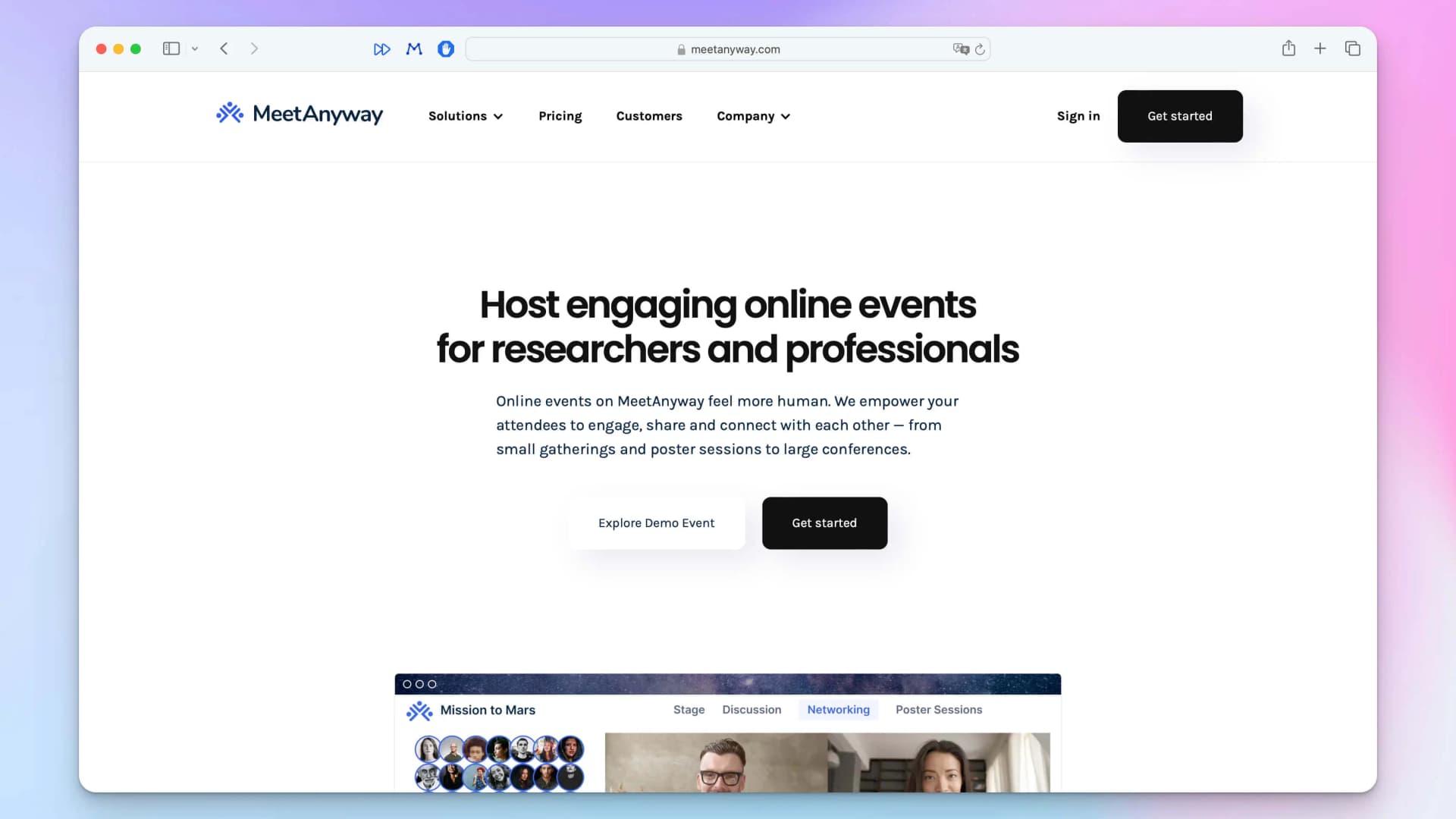
The Y Combinator startup developed an event platform for real-time interactions with thousands of participants. Through the Forschungszulage, MeetAnyway secured €167,440 to advance their technology.

Case Study lesen

Customer testimonials

€350,000/year
Erich secured €350k per year in funding, exceeding our expectations by +€75k per year.
Kai Klasen
Kai Klasen
Head of Finance, Gitpod
€333,523
Erich supported us very well and we could focus on our product. Extremely efficient in just 4 calls.
Sascha Lang
Sascha Lang
Founder, AiSupervision · YC S23
€314,825
Super fast and efficient support with the Forschungszulage. The process was completed in just 4 calls.
Fabio Schmidberger
Fabio Schmidberger
Founder, voize · YC W22

More projects we secured Forschungszulage for

B2B Industrial AI

Development of camera- and AI-based real-time analysis of production lines.

Innovation:
The innovation lies in the combined detection of overloads, timing issues, and process deviations in real time directly at the line—going beyond the current state of static quality controls.

Creative Tech

Development of prompting techniques for consistent image styles across multiple images.

Innovation:
The innovation is the systematic development of reproducible prompt strategies for image series (style coherence), which was previously highly experimental and unstable.

B2B SaaS

Development of a data-driven B2B customer segmentation framework.

Innovation:
The innovation is the transfer of established B2C segmentation logic to complex, data-sparse B2B contexts.

Hardware Tech

Development of airborne wind turbines for energy generation at higher altitudes.

Innovation:
The innovation lies in new aerodynamic, control engineering, and systems engineering approaches beyond conventional wind turbines.

FinTech

Development of a low-latency auction platform with proprietary wallet and synchronization technology.

Innovation:
The innovation is the real-time synchronization of auctions and payment flows at high user volumes with minimal latency.

AI SaaS

Development of dynamic prompt engineering and LLM integration for specialized text generation.

Innovation:
The innovation is the combination of prompting techniques (e.g., Chain/Tree of Thought), structured data, and a reusable template library.

Manufacturing

Development of new 3D printing processes for integrating metal wires into transparent, stable structures.

Innovation:
The innovation is the combination of transparency, stability, and functional integration in the additive manufacturing process.

Consumer FinTech

Development of a modular financial manager for structuring personal finances.

Innovation:
The innovation lies in the flexible, data-driven modularization of financial decision logic instead of rigid budget or category models.

E-Commerce

Development of data normalization and interoperability in e-commerce.

Innovation:
The innovation is a novel data standard that automatically harmonizes heterogeneous product and manufacturer data.

GovTech

Design of a decentralized infrastructure for a "Trusted City ID".

Innovation:
The innovation is the combination of identity management, trust, and decentralization for municipal and urban use cases.

Developer Tools

Development of a cloud-based development environment with extremely fast startup times.

Innovation:
The innovation is the significant reduction of startup times in multi-tenant environments below the current state of the art.

HealthTech

Development of a mobile body scanner for precise 3D reconstruction of the human body.

Innovation:
The innovation lies in the combination of mobility, accuracy, and automated 3D model generation.

Privacy Tech

AI-based, tracking-free analysis of online publications.

Innovation:
The innovation is an algorithm for the automated identification of privacy risks and third-party integrations without conventional user tracking.
Companies of any size, legal form (GmbH, AG, KG, sole proprietors, etc.) and industry that are tax-liable in Germany. Startups and SMEs benefit greatly as well. It is important that the company is not a “company in difficulty” within the meaning of EU state aid law. You can find details in our guide on the eligibility requirements.
We support research-active companies—from startups to mid-sized businesses—in obtaining the Forschungszulage with minimal effort and maximum chance of success. We handle the entire process: from identifying eligible projects to professional application preparation to accompanying the payout through the tax office. Our model is 100% success-based.
Since the Growth Opportunities Act (March 2024), the assessment base has been doubled to €10 million per year. At a funding rate of 25%, the maximum annual funding is €2.5 million. For SMEs, there is an additional bonus of 10%, raising the maximum funding to up to €3.5 million per year (35% of €10 million). You can find a detailed breakdown under Calculation.
  • Personnel costs: Gross salary plus social security contributions of employees in R&D projects.
  • Own contributions: For sole proprietors or shareholders, €100 per hour (until end of 2025: €70) for up to 40 hrs/week.
  • Subcontracted research: 70% of contracts awarded to third parties (based in the EEA) are eligible.
  • Depreciation: Investments in depreciable movable assets directly used for R&D.
Learn more in our guide on the Forschungszulage calculation.
Processing at the certification body (BSFZ) usually takes 2–3 months. After receiving the certificate, the allowance is claimed with the next tax return or via a separate application to the tax office. The actual offset or payout occurs after the tax office review. We explain the exact process in our guide on the application process.
No, applications can be filed for ongoing, planned, or already completed projects. Since the Forschungszulage can also be claimed retroactively (up to 4 years), project completion is not a prerequisite for the application.
Absolutely! Software projects are one of the most common use cases. The requirement is that they go beyond standard solutions and address scientific or technical uncertainties or achieve technical advances (e.g., novel algorithms, AI models, or system architectures). Learn more about the R&D criteria.
If the certification body (BSFZ) rejects the application, we review the reasons in detail. Often, a positive decision can still be achieved through an objection or revision of the project description. Since our fee is purely success-based, you incur no costs in the event of a final rejection.